A life lived along Reynolds Channel
Bob Doxsee's family has worked Long Island's South Shore since the 1800s. As he likes to say, Bob is "as happy as a clam whether on the ship or on shore."
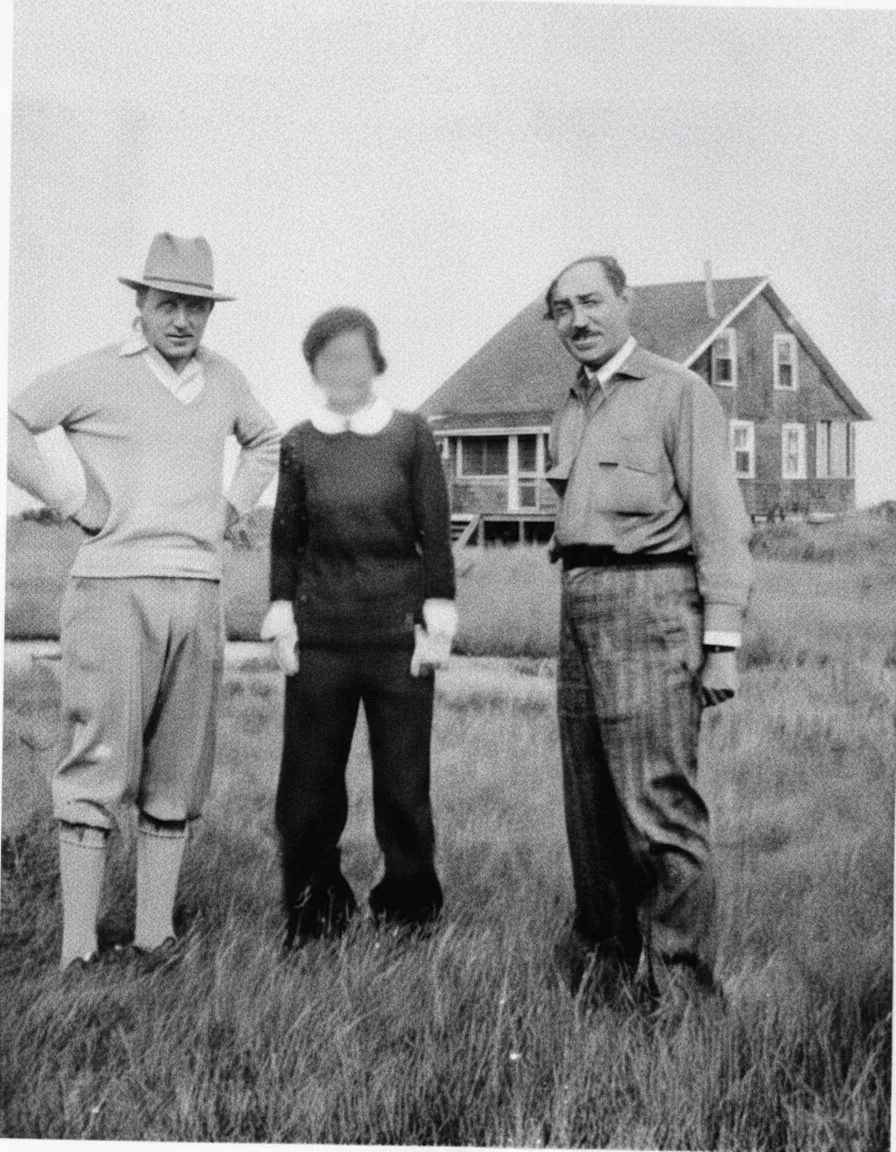
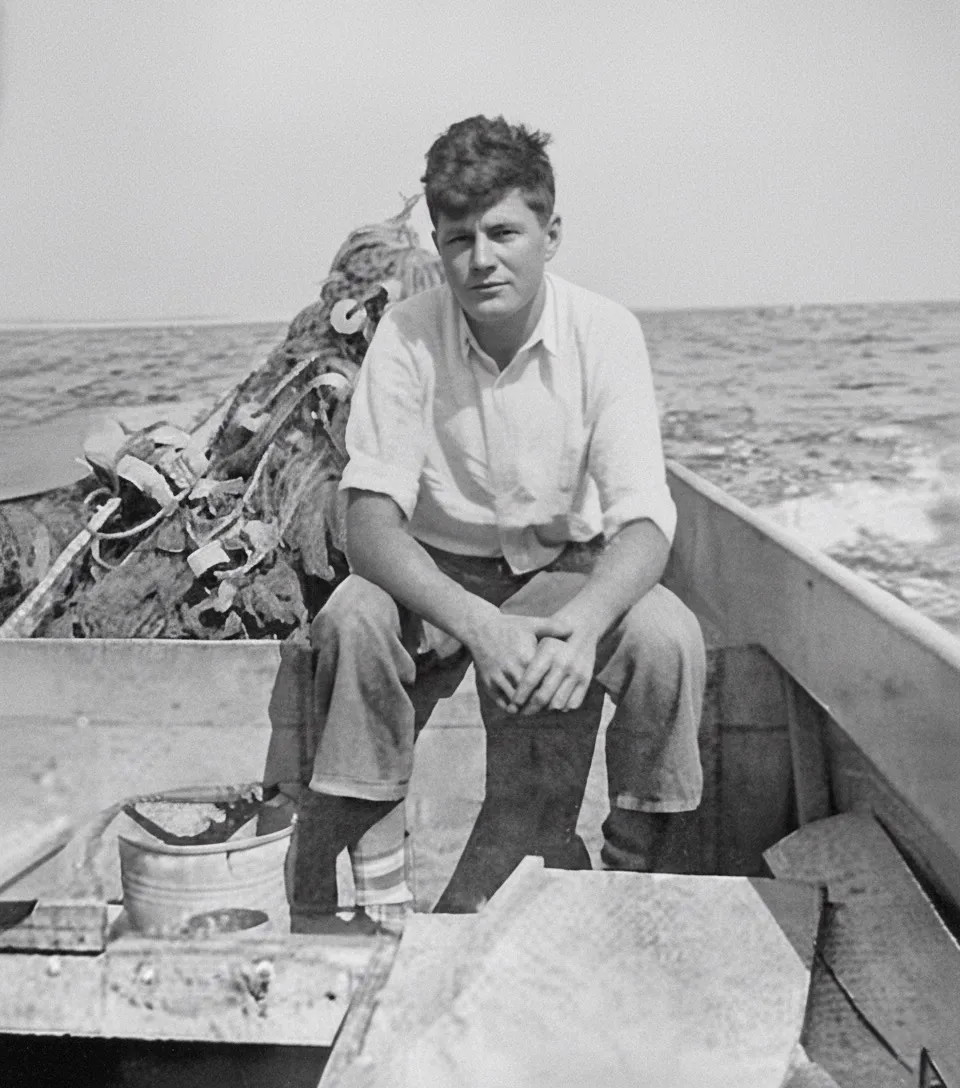
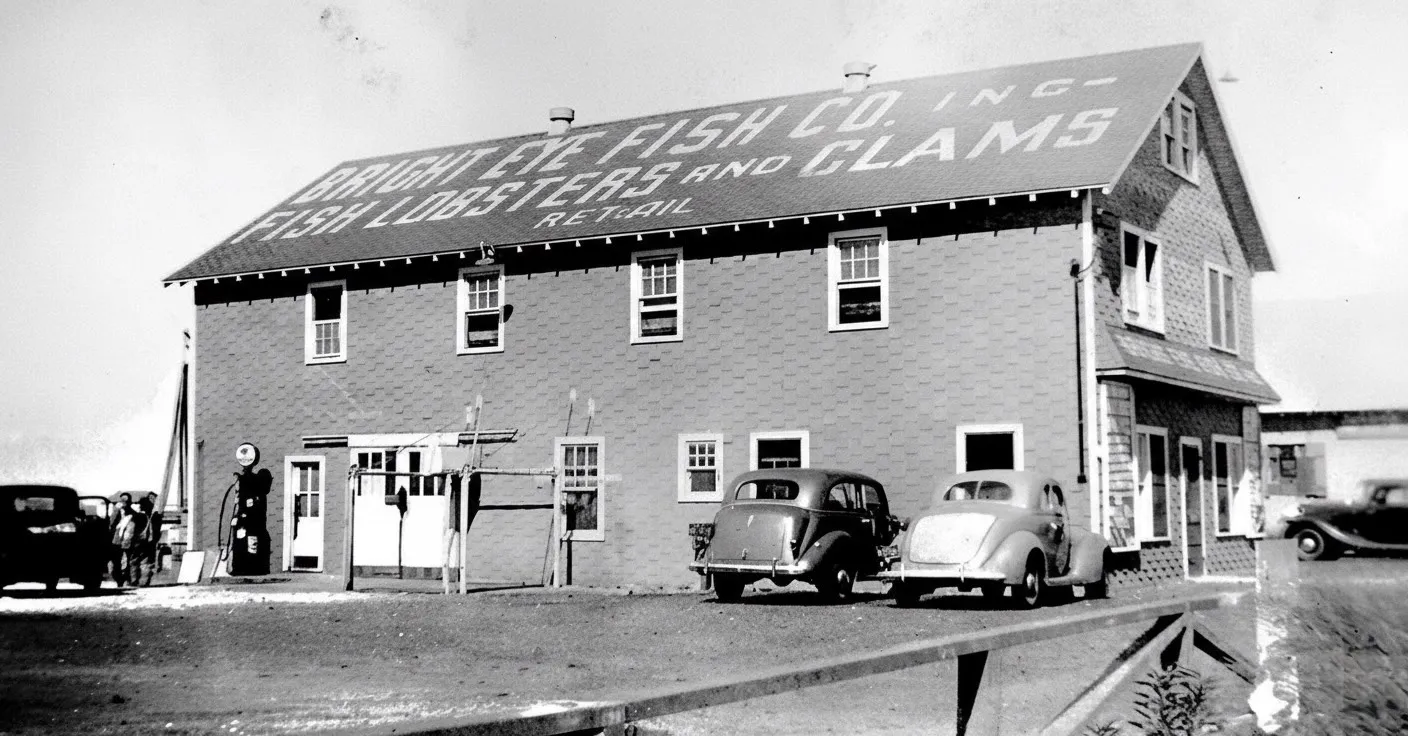
Bob Doxsee's first world was a marsh island. His parents spent their summers in a plain wooden cottage on Meadow Island, just inside Jones Inlet, a short walk from the fish camp his father and uncle ran under the name Bright Eye Fish Company. There were no roads, no power and no plumbing: kerosene lamps, an icebox, rain barrels, and a boat for getting anywhere. Bob's memories of those years are small and vivid: a tame black duck with a mended wing, home-made root beer and ice cream, the cook's fresh bread and jam, and his father teaching him to dive by holding him by the ankles and letting go.
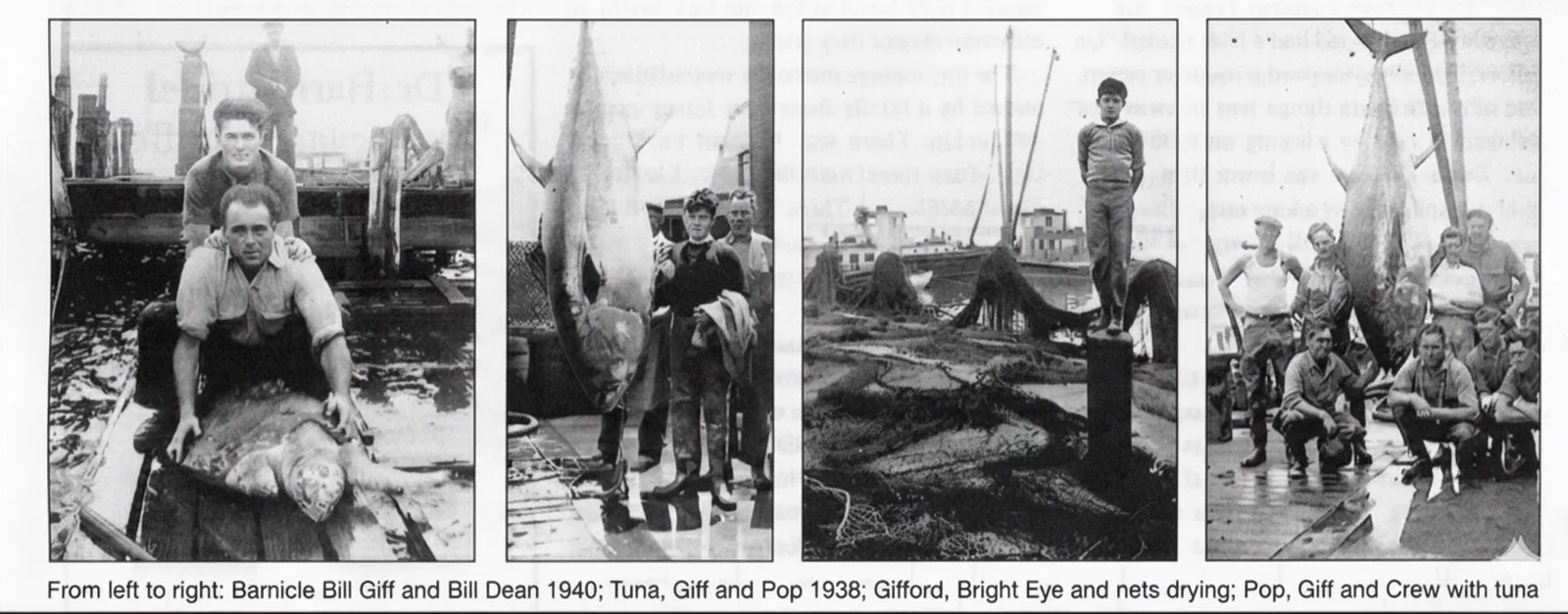
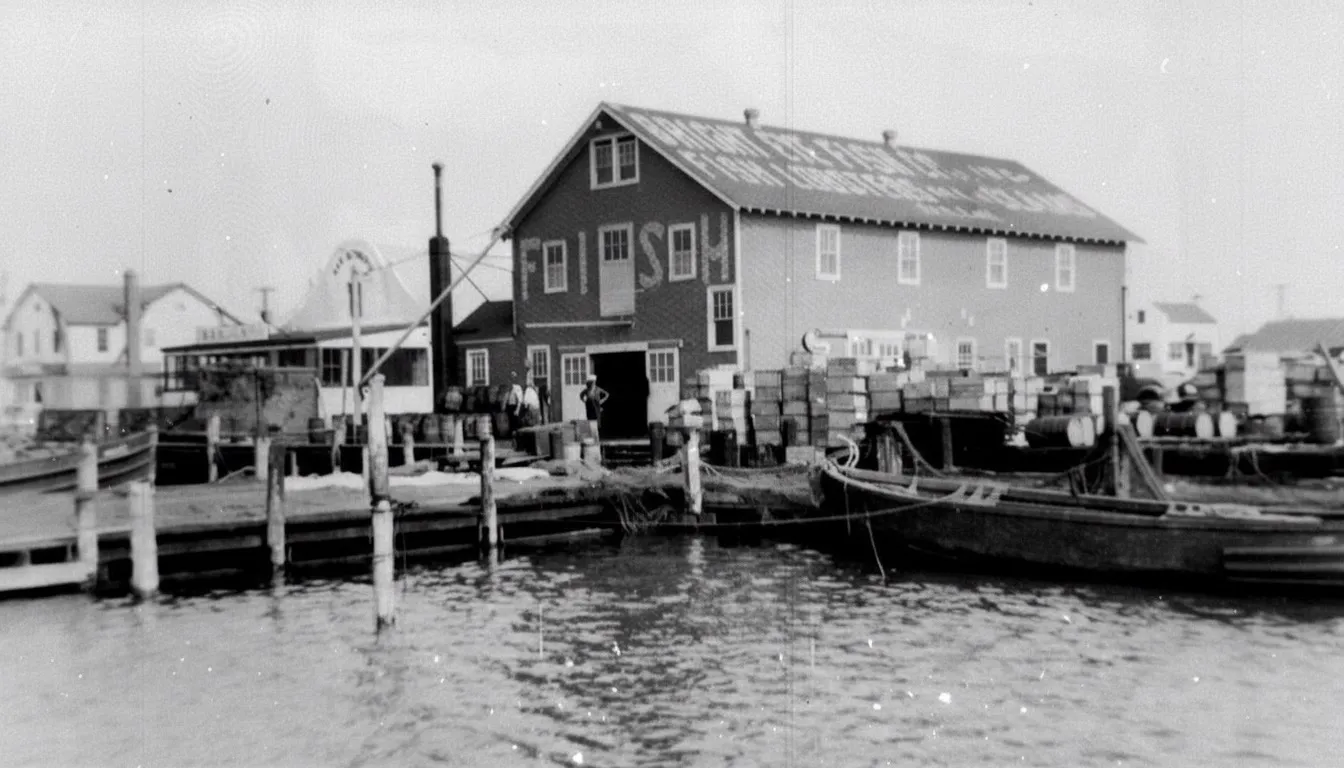
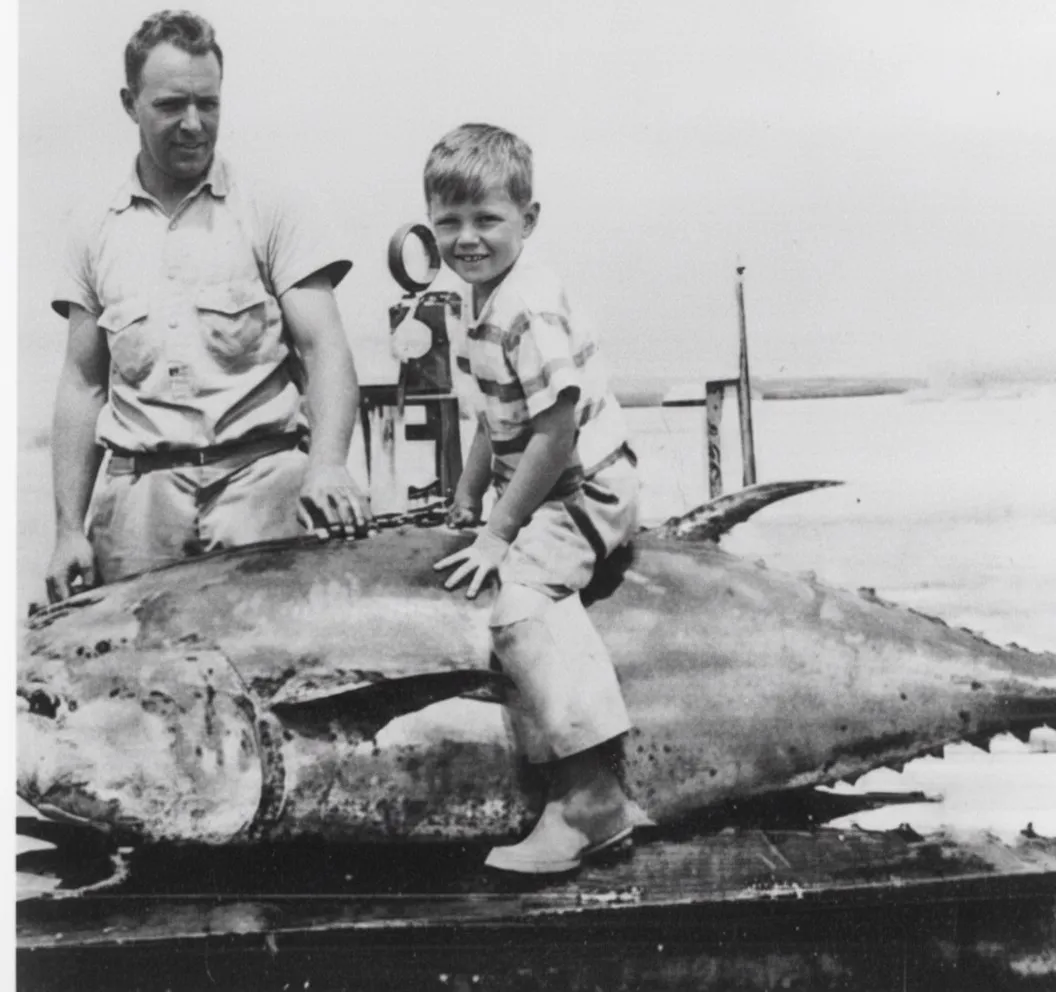
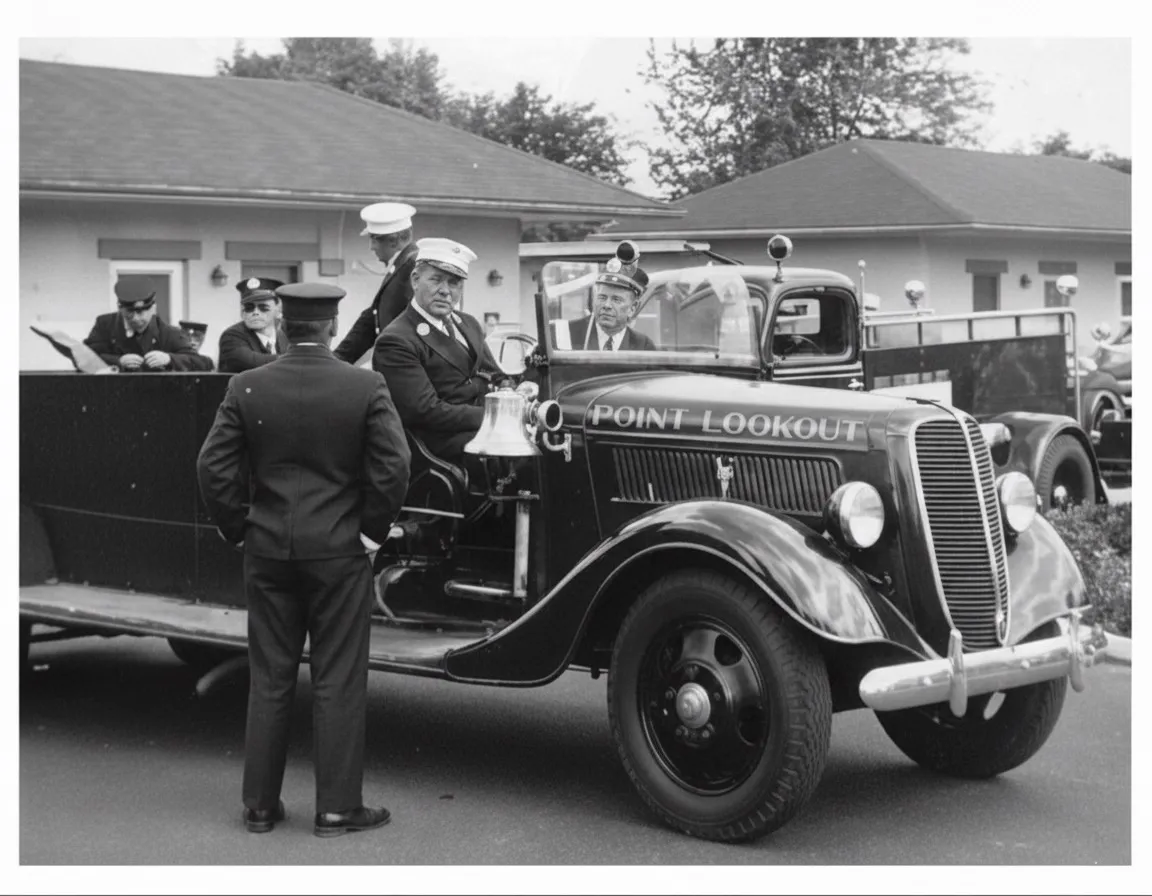
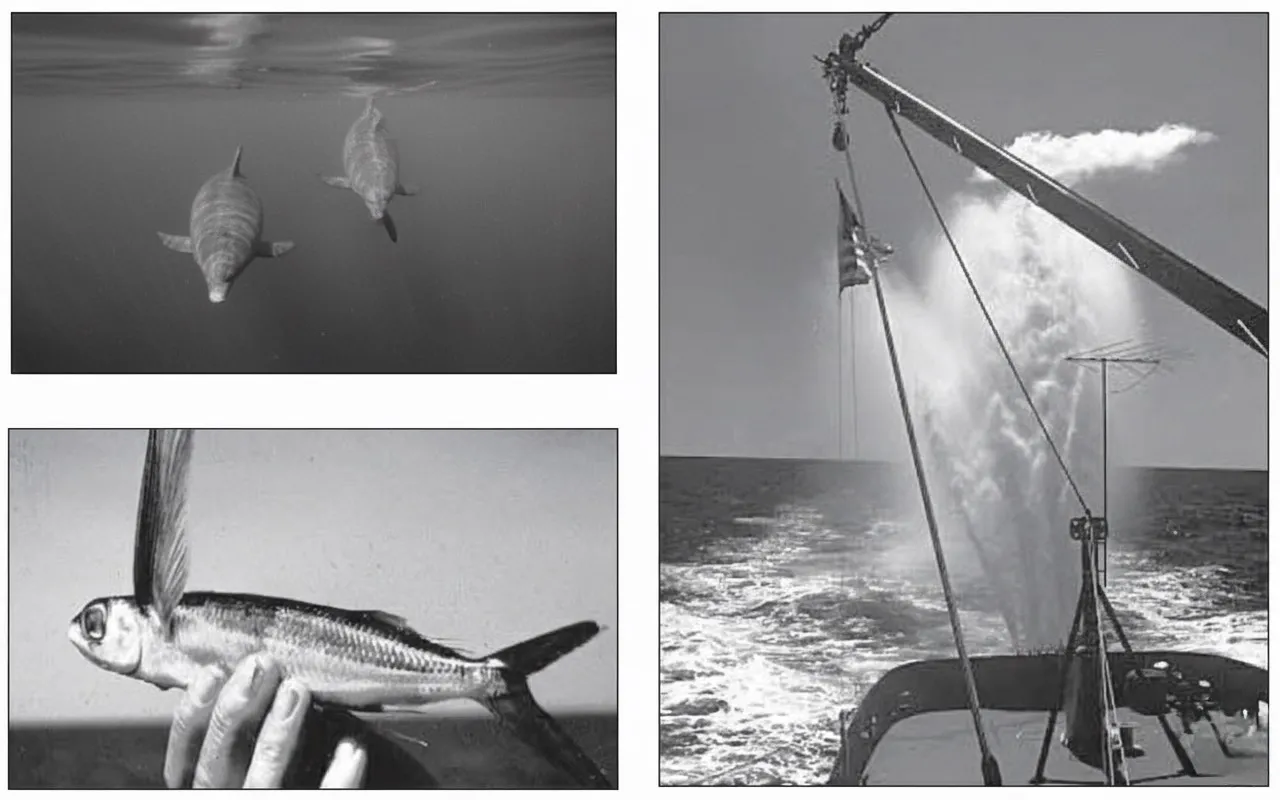
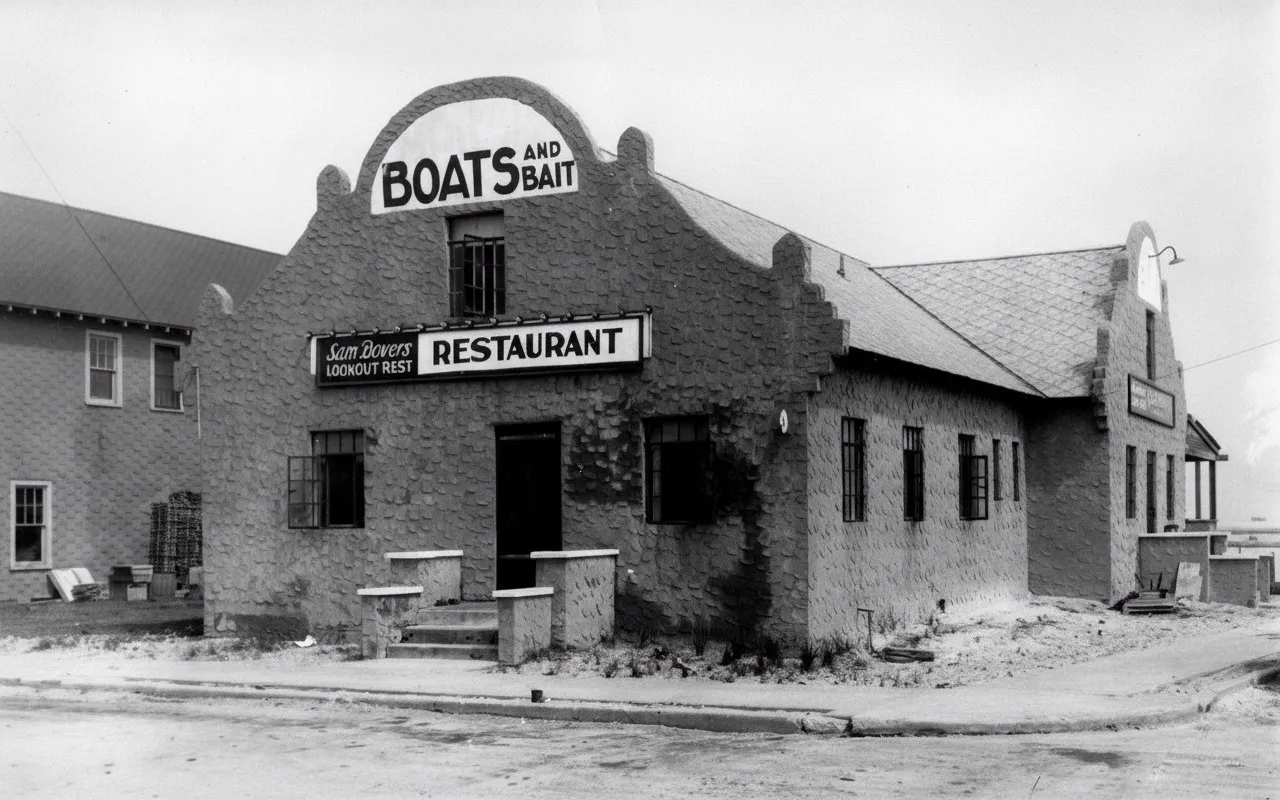
The family made its living from pound fishing, using huge fixed nets hung on ninety-foot hickory poles driven into the seabed offshore. Crews of tough Swedish and Norwegian seamen hauled up whatever the tide and the Gulf Stream brought in: fluke, mackerel, weakfish, sharks and sea turtles, and in summer seahorses and angelfish carried up from the tropics. The catch was packed in pine boxes and barrels of ice for Fulton Market. In 1933 the operation moved to a packing house on Reynolds Channel in Point Lookout, and a few years later Pop floated the cottage across on a scow. Life on that waterfront meant unloading the pound boat, a fish market busy every Friday, a timber aquarium in the channel, and a gang of local boys diving off Sam Bowers' dock.
In 1944 a hurricane wiped out the fish traps, and the family turned to sea clams just as the war created demand for them. With partners they set up the Long Island Sea Clam Company. At its height the docks took in clams from about twenty boats, while rows of baymen and old oyster shuckers opened them by hand, rocking in time and singing old ballads together. Bob was thirteen, and the click of shells dropping into bags became the sound of his working life.
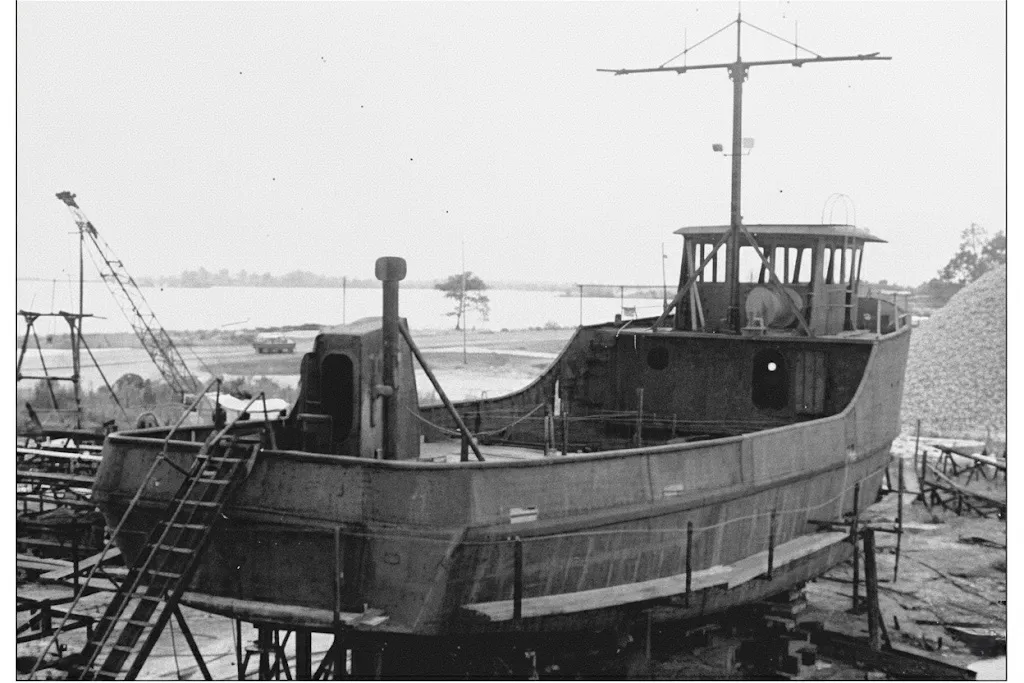
Over the next seven decades Bob became both a clammer and a businessman. He found new buyers when the family's main customer was sold, ran a bait business, refitted boats, and brought the steel clam dredger Day Star up the Gulf Stream from Mississippi. He knew hydraulic dredges, holds full of clam cages, gales off Hatteras, and the crews and characters who worked the water. His stories cover the whole arc of a fishing family, from his great-great-grandfather's 1865 cannery to the day in 2009 when the old fish house came down.
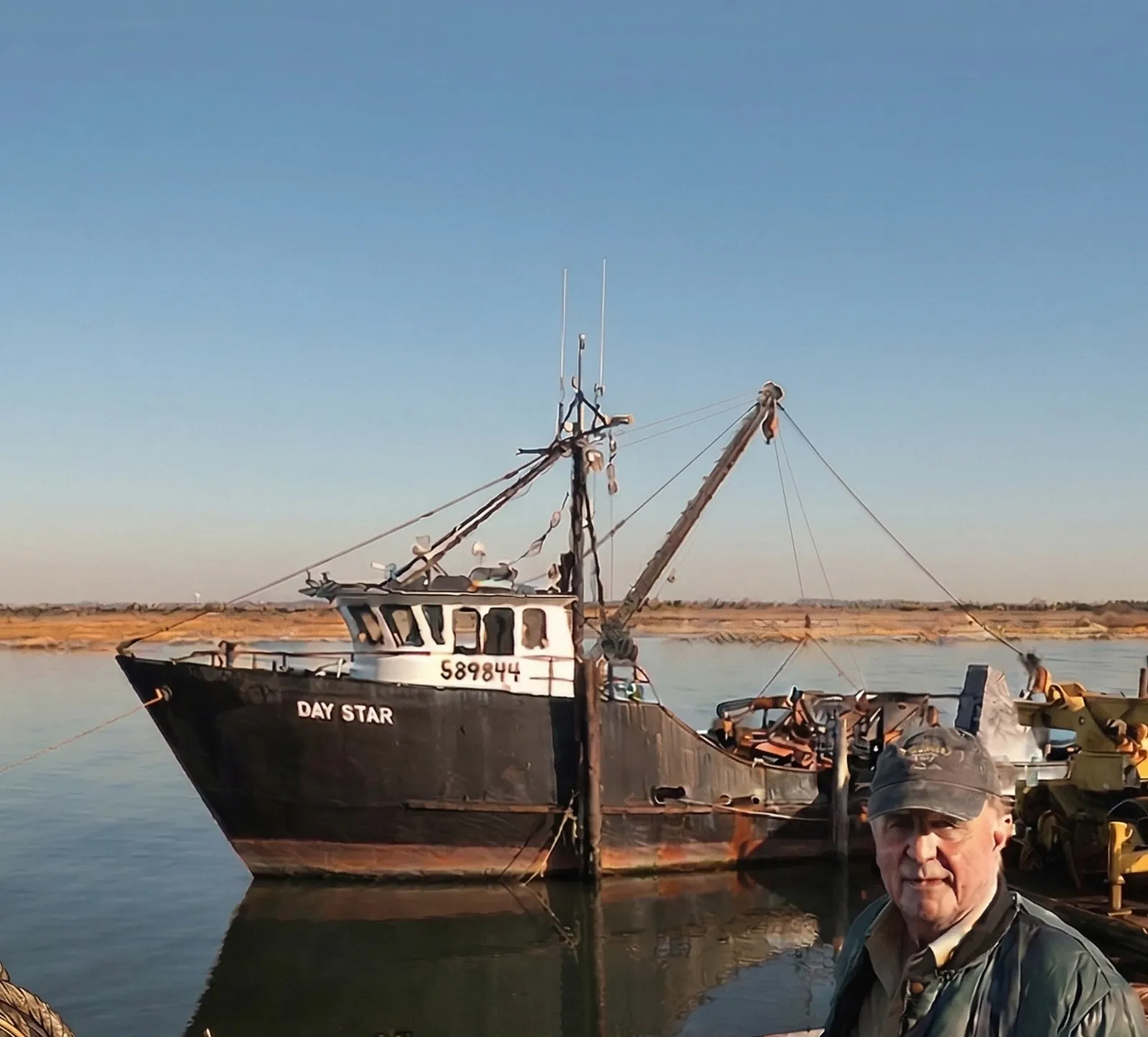
Pop taught me to dive by holding my ankles up and letting go. It worked.Bob Doxsee · The House On The Meadow
From an 1865 cannery to the Day Star
- 1825
James Harvey Doxsee, Bob's great-great-grandfather, is born in Islip, Long Island.
- 1865
James Harvey Doxsee founds a canning business that prepares South Shore clams for market.
- July 1923
Bob's parents marry and set up home in a boat-access-only cottage on Meadow Island, near Pop's fish camp on Jones Inlet.
- 1920s
Pop and his brother Spencer run the Bright Eye Fish Company, an ocean pound-trap (fish trap) fishery off Jones Inlet, with mostly Swedish and Norwegian crews.
- 1927 onward
Pop's 60-by-20-foot self-powered barge Bright Eye carries men and machinery for the building of Jones Beach State Park; he also works on bridge abutments and later sets out lifelines for bathers.
- 1931
Bob Doxsee is born in Islip.
- 1933
The Doxsee Brothers open a fish packing house on Reynolds Channel (Bayside Drive), Point Lookout, so they can ship straight to Fulton Market.
- 1936
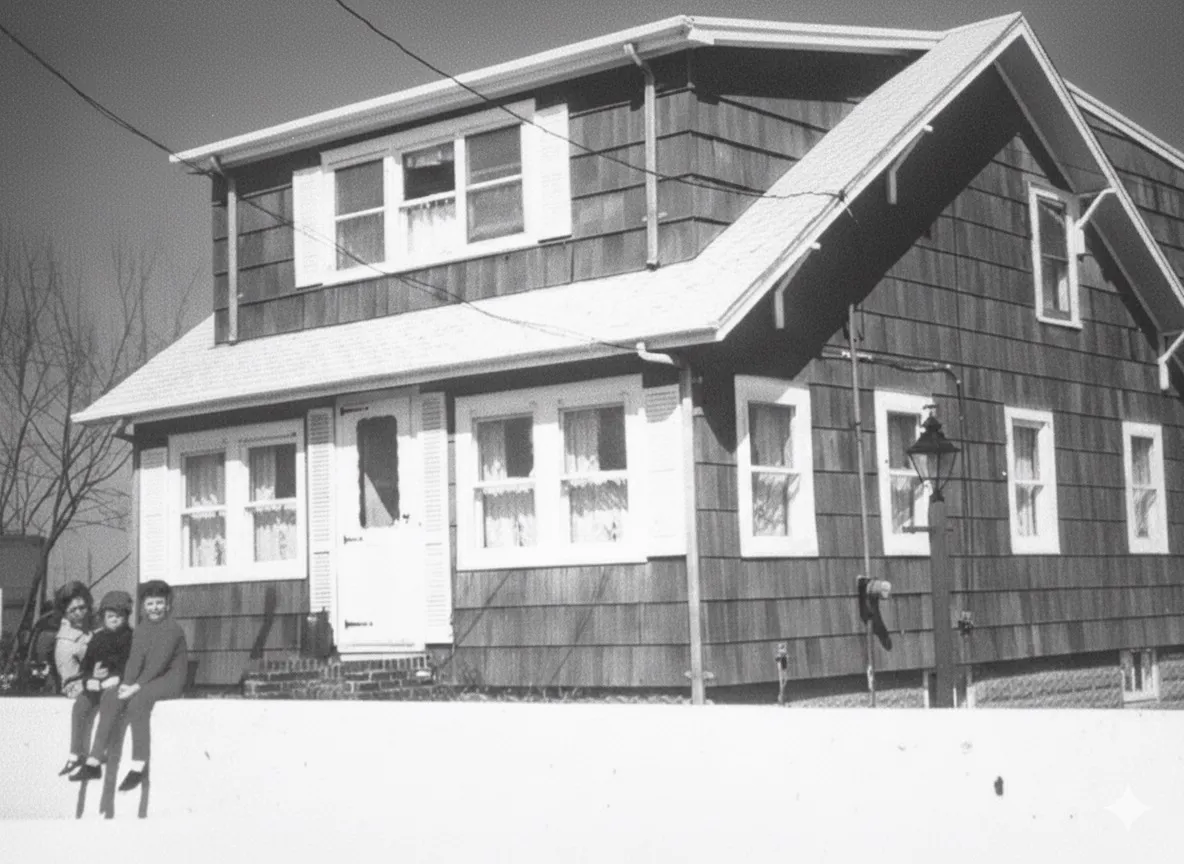
Pop sails the Meadow Island cottage across to Point Lookout on a deck scow and sets it up beside the fish house (the book also gives 1935 once).
- 1938-1939
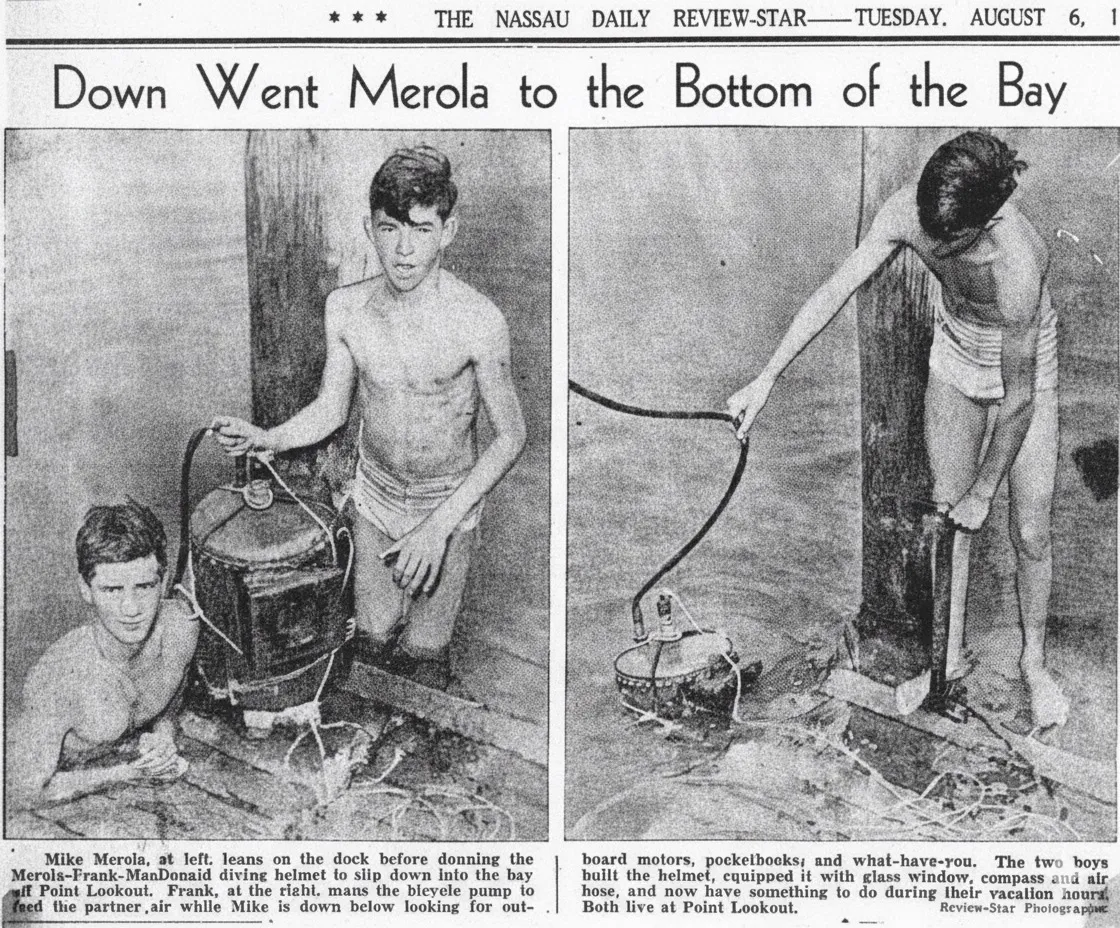
Point Lookout boys build a homemade diving helmet from a hot-water tank, and the Nassau Daily Review Star writes it up.
- 1939
Pop has the 28-foot Sam Verity sea skiff Bright Eye III ('the SKIFF') built.
- c. 1940
The town begins the Great Rock Sea Wall against erosion on Point Lookout's eastern shore; Pop films the storm damage on 8mm.
- 1940s-1950s
The family lends live sea turtles, sharks, skates and a torpedo fish to the New York Aquarium in Battery Park.
- August 1944
After the 1944 hurricane ends the fishing business, the family switches to sea clams. With the Hogstrom Brothers and Ted Rauscher they form the Long Island Sea Clam Company to supply F.H. Snow Canning of Pine Point, Maine.
- WWII era
At its peak the clam plant has 20-22 boats unloading, 50 hand shuckers and over 100 workers; the shells are used to build a reef in front of the sea wall.
- 1947
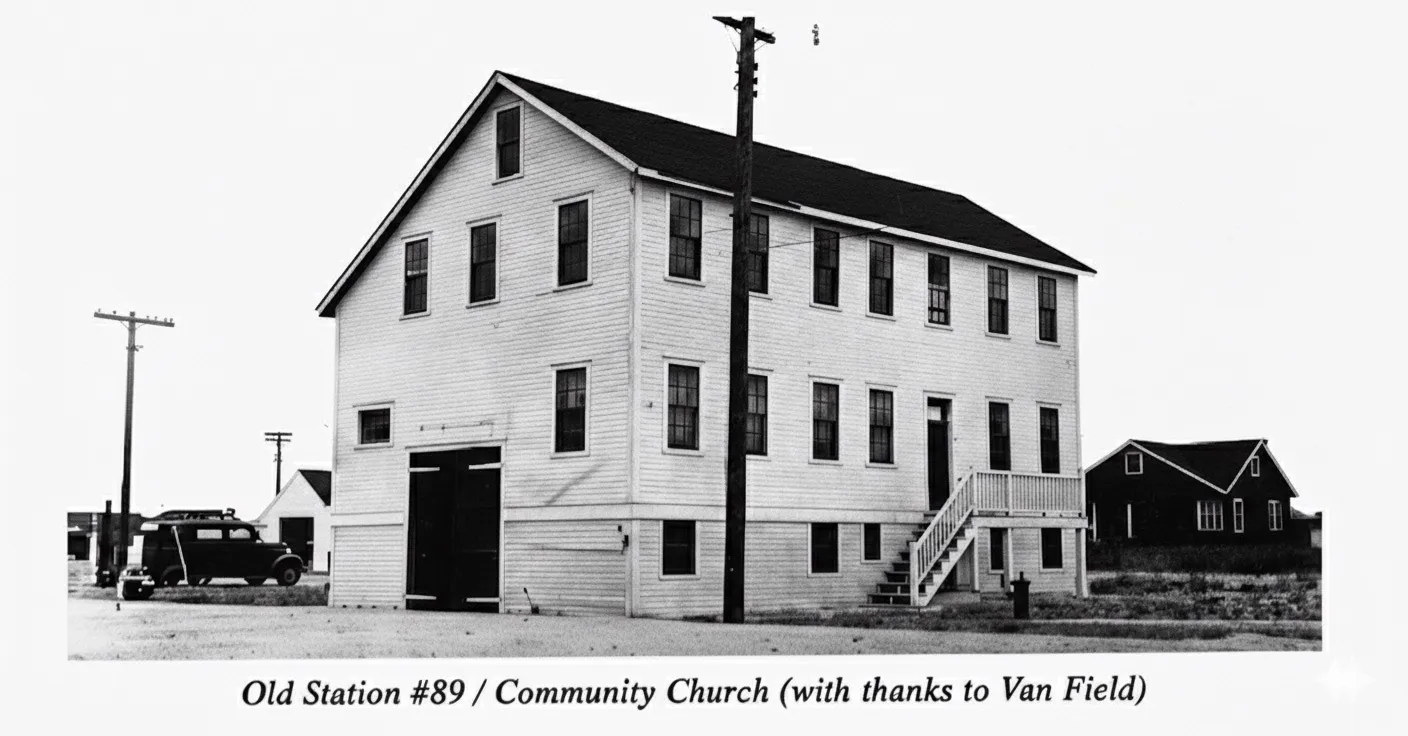
Citizens, Pop among them, petition to take over the old Life Saving / Coast Guard Station #89, which becomes the Point Lookout Community Church (acquired for one dollar).
- c. 1948
Newspapers credit 'Mayor-Elect Robert L. Doxsee of Freeport' with using clam shells to save the sea wall.
- 1953
The mile-long federal jetty on the Jones Beach (Short Beach) side, which Pop had lobbied for in Washington, is finished.
- 1958
Borden buys Snow Canning. Bob builds a new market for frozen chopped clams, starting with Ed Schultz of Pasadena.
- 1960s
Bob runs a bait business (skimmer clams, bunker chum) using his clam dredger Victory.
- 1967
The clam dredger Bright Eye is built (laid up new at Muller's Boat Works, Brooklyn, in the winter of 1968).
- Aug 31, 1968
The old Coast Guard flag tower at the Community Church is dedicated to Bob Doxsee Sr.
- 1977-1978
Day Star's keel is laid in Moss Point, Mississippi in July 1977. She is launched in February 1978, and Bob brings her home to Point Lookout from April 5 to 13, 1978.
- 1988
The Community Outlook's 'Civic Salute' profiles Bob: about one million pounds of clam meat a year.
- April 2001
Daughter Beth, as chief mate, brings the schooner Harvey Gamage into the Doxsee dock.
- Late 2009
The fish house and plant buildings are demolished after 76 years ('The Final Curtain').
- Oct 30, 2012
Bob retires.
- October 2013
The family cottage is demolished after 78 years in Point Lookout; its last tenants had moved in after losing their home to Hurricane Sandy.
Bob Doxsee, by the facts
- Born in 1931 in Islip, Long Island, the youngest of three children; the family soon moved to Freeport, where his father served as Mayor.
- Spent his earliest summers in a cottage on Meadow Island, inside Jones Inlet, that could only be reached by boat and had no electricity or running water.
- In 1936 his father sailed the cottage across to Point Lookout on a deck scow; Bob later raised his own young family in it for twelve years.
- His great-great-grandfather James Harvey Doxsee, born in Islip in 1825, started a clam-canning business in 1865; the family is listed in American Families of Historic Lineage as one of the oldest on Long Island.
- His father and uncle Spencer ran the Bright Eye Fish Company, an ocean pound-trap fishery working out of Jones Inlet, and opened a fish packing house on Reynolds Channel in Point Lookout in 1933.
- His first job: picking up box nails in the fish-house yard for a nickel a coffee can.
- Bob was 13 in August 1944 when the hurricane ended the family's fishing business and they went into sea clams, supplying Snow Canning of Pine Point, Maine.
- The Long Island Sea Clam Co. on Reynolds Channel peaked at about 20-22 boats unloading, 50 hand shuckers, roughly 1,500 bushels shucked a day and over 100 workers.
- When Borden bought Snow Canning in 1958, Bob built a new market for frozen chopped clams, shipping across the West Coast and as far as Hawaii.
- By 1988 Doxsee was harvesting and processing about one million pounds of clam meat a year with two sister ships, Bright Eye (1967) and Day Star (1978), working from New England to North Carolina.
- In 1978 he captained the new 75-foot steel clam dredger Day Star on her 2,000-mile maiden voyage from Moss Point, Mississippi, by way of Key West and the Gulf Stream, reaching Jones Inlet in eight days.
- Ran a bait business selling skimmer clams ('so fresh they whistle') and bunker chum, and hauled menhaden from Belford, NJ in his clam dredger Victory.
- Leased Victory to AT&T's McKay Radio to find and repair undersea communication cables off Long Island.
- The company's waste clam shells formed a reef that kept Point Lookout's Great Rock Sea Wall from being undermined; crushed Doxsee shells also pave the trails at the Oceanside and Lido Beach nature preserves.
Photographs
A selection of the photographs in Stories of the Sea. Click any photo to enlarge it.
Bring Bob's stories to your audience
Tell us about your event, and Bob will get back to you personally.