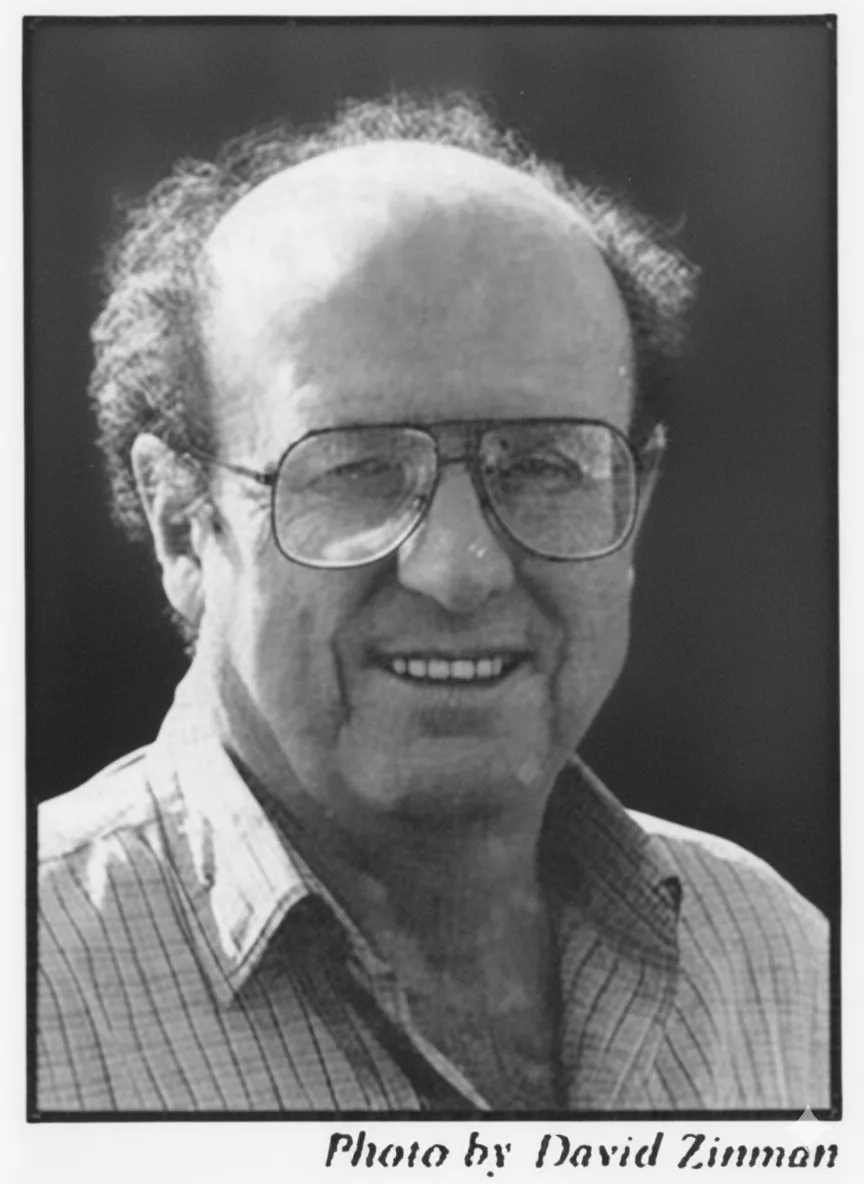
Bob Doxsee was born in 1931 into a family that had worked Long Island's waters since the 1800s. He spent nearly seventy years in the sea clam trade, from a boat-only cottage on Meadow Island to the wheelhouse of the Day Star. Today Bob tours and speaks about his family, his legacy and the life of a Long Island waterman.
Author, Stories of the SeaColumnist, The Community OutlookPoint Lookout, NY
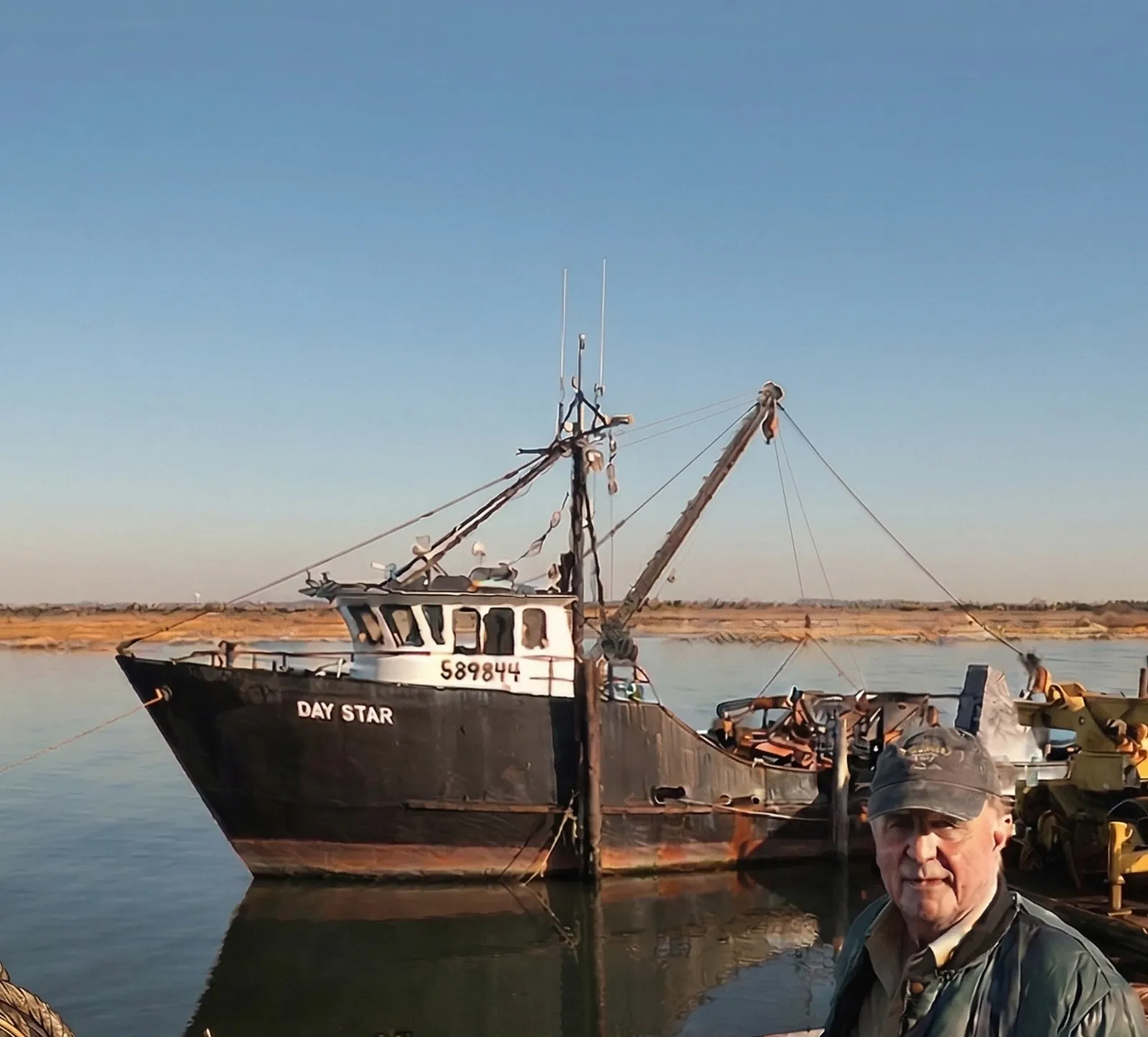
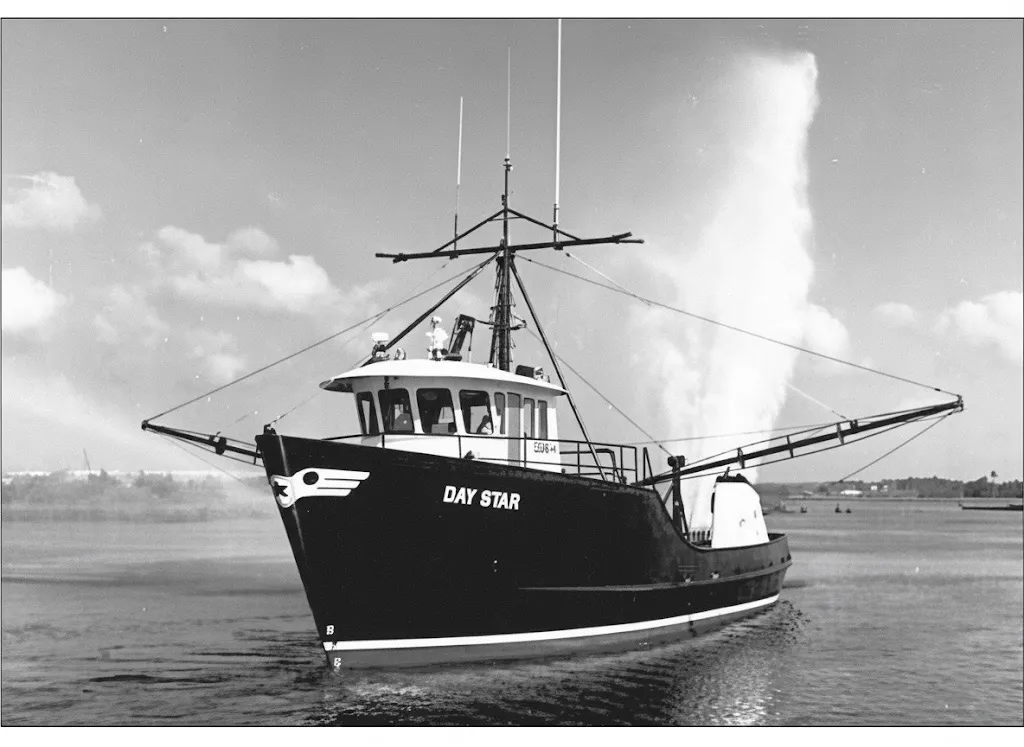
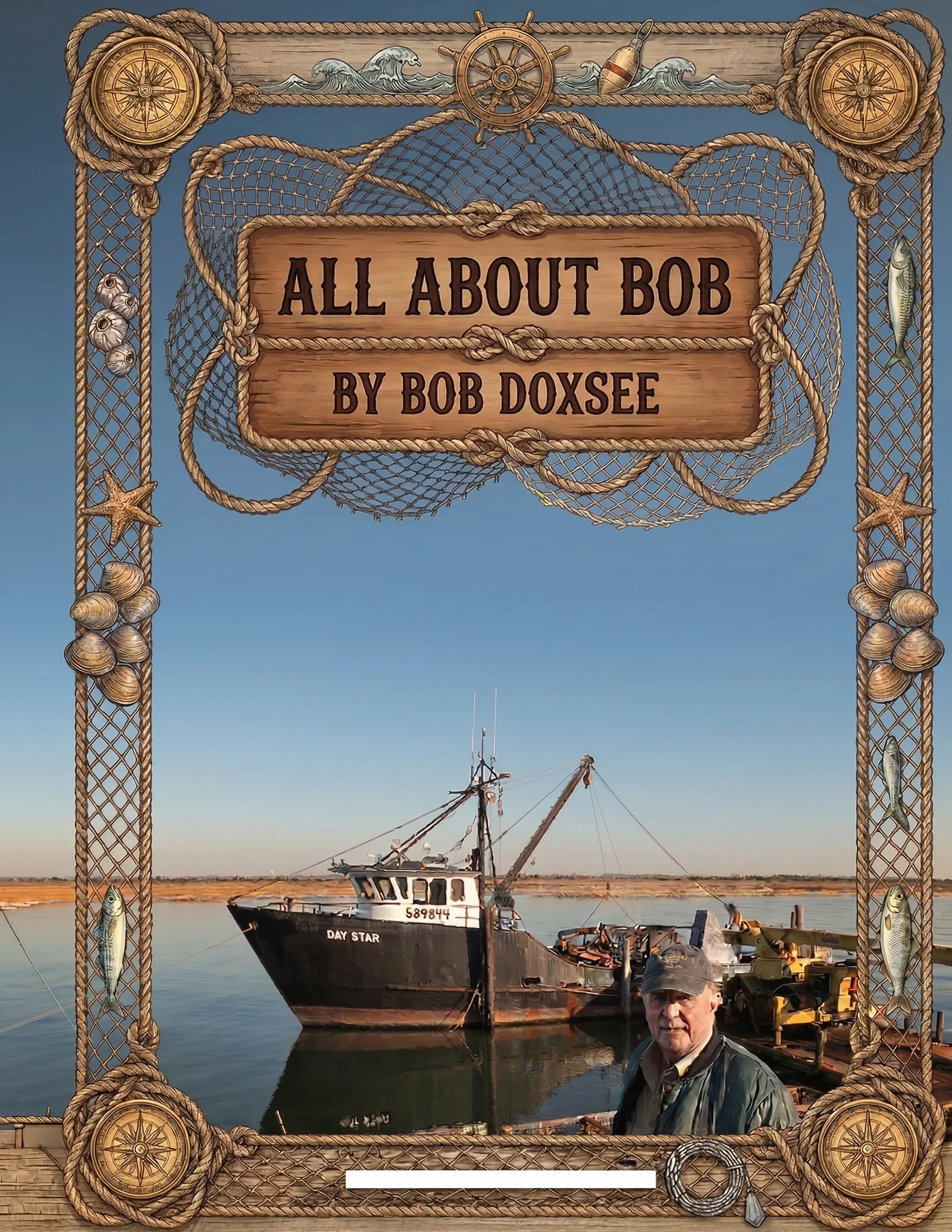
Bob & the Day StarThe 75-foot steel clam dredger he brought 2,000 miles home from Mississippi in 1978.
1865Great-great-grandfather James Harvey Doxsee starts a clam cannery
68yrsIn the sea clam fishery, from the 1944 hurricane to retirement in 2012
2,000miThe Day Star's maiden voyage up the Gulf Stream, in eight days
28Stories in Stories of the Sea, Volume 1
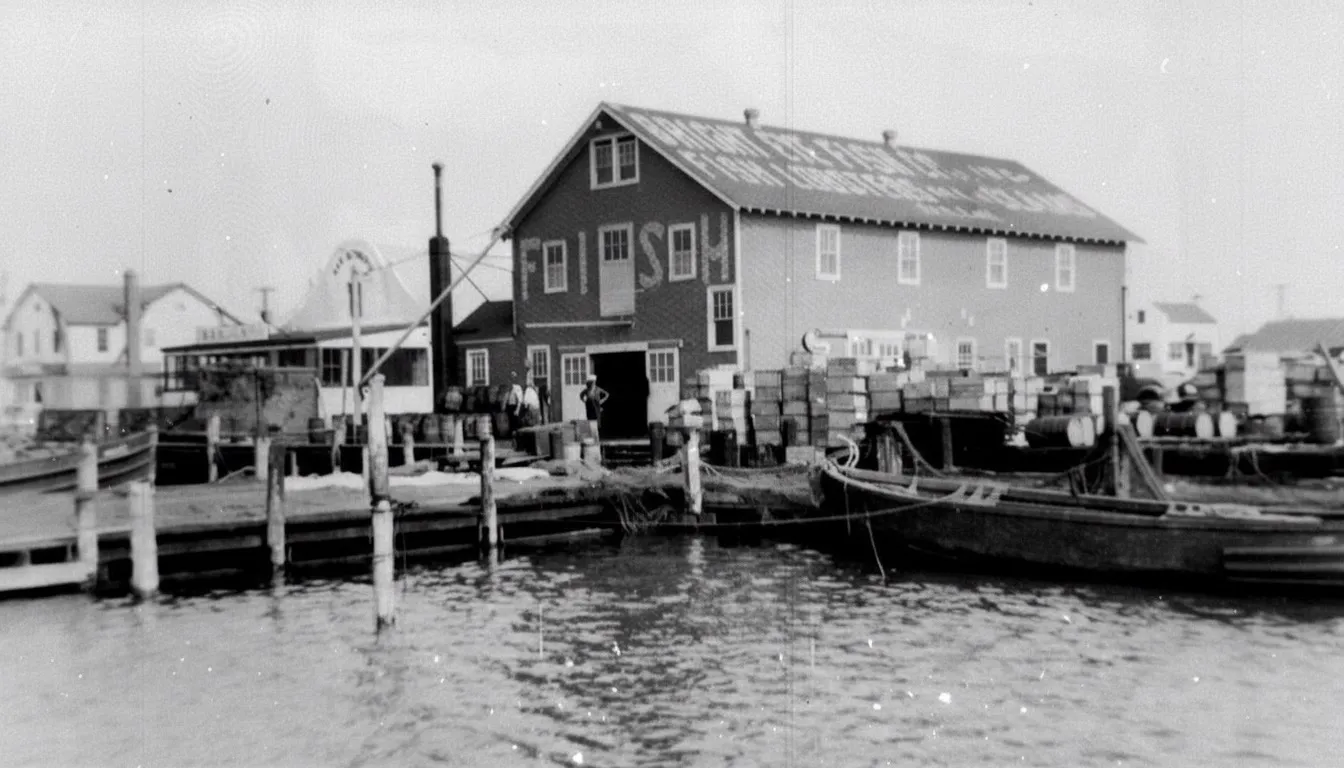
Est. 1933 · Reynolds Channel, Point Lookout
The signature program
Four generations of a family that lived by the tides
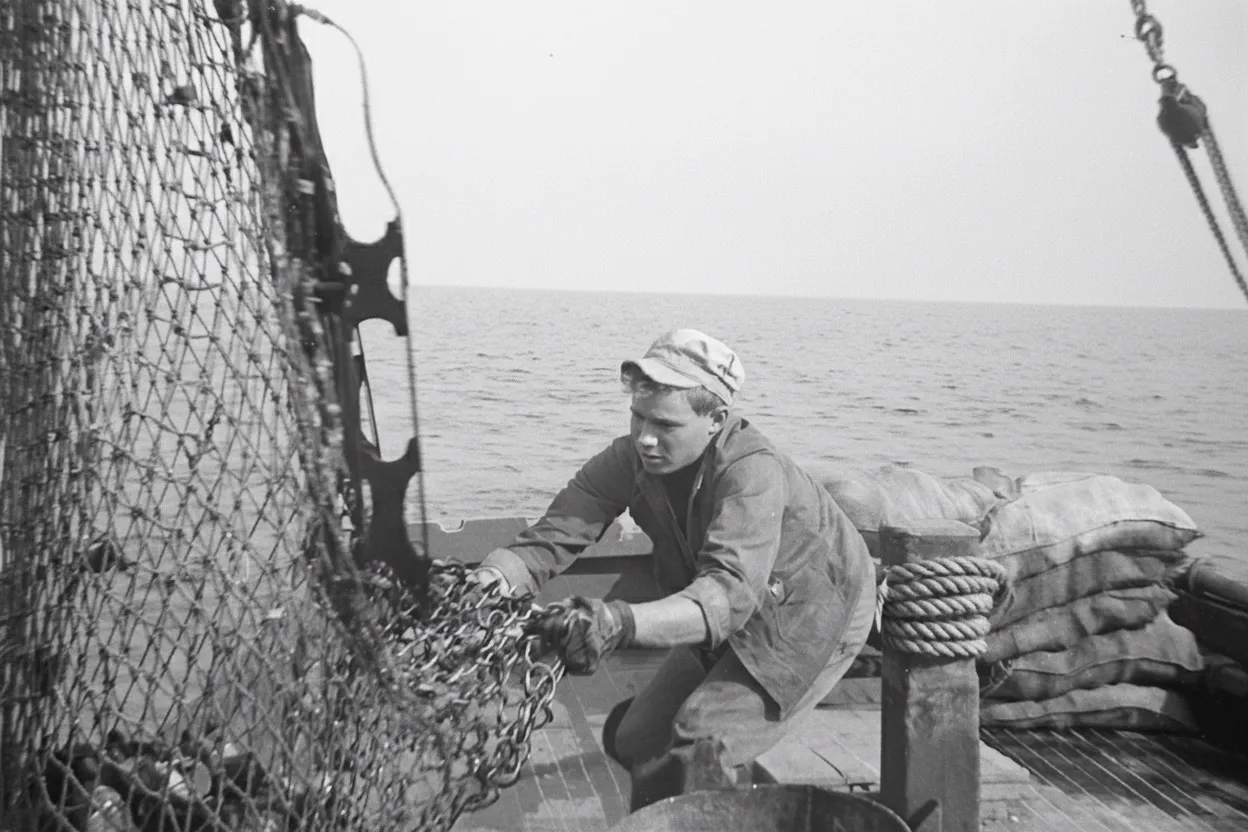
His first job was picking up box nails in the fish-house yard for a nickel a coffee can. Bob takes audiences from his father's pound-trap fish camp, worked by Swedish and Norwegian crews, to the hurricane of 1944 that pushed the family into sea clams.
Real history, firsthand. Rum Row, the U.S. Life Saving Service, the building of Jones Beach and wartime Long Island, told by someone who was there.
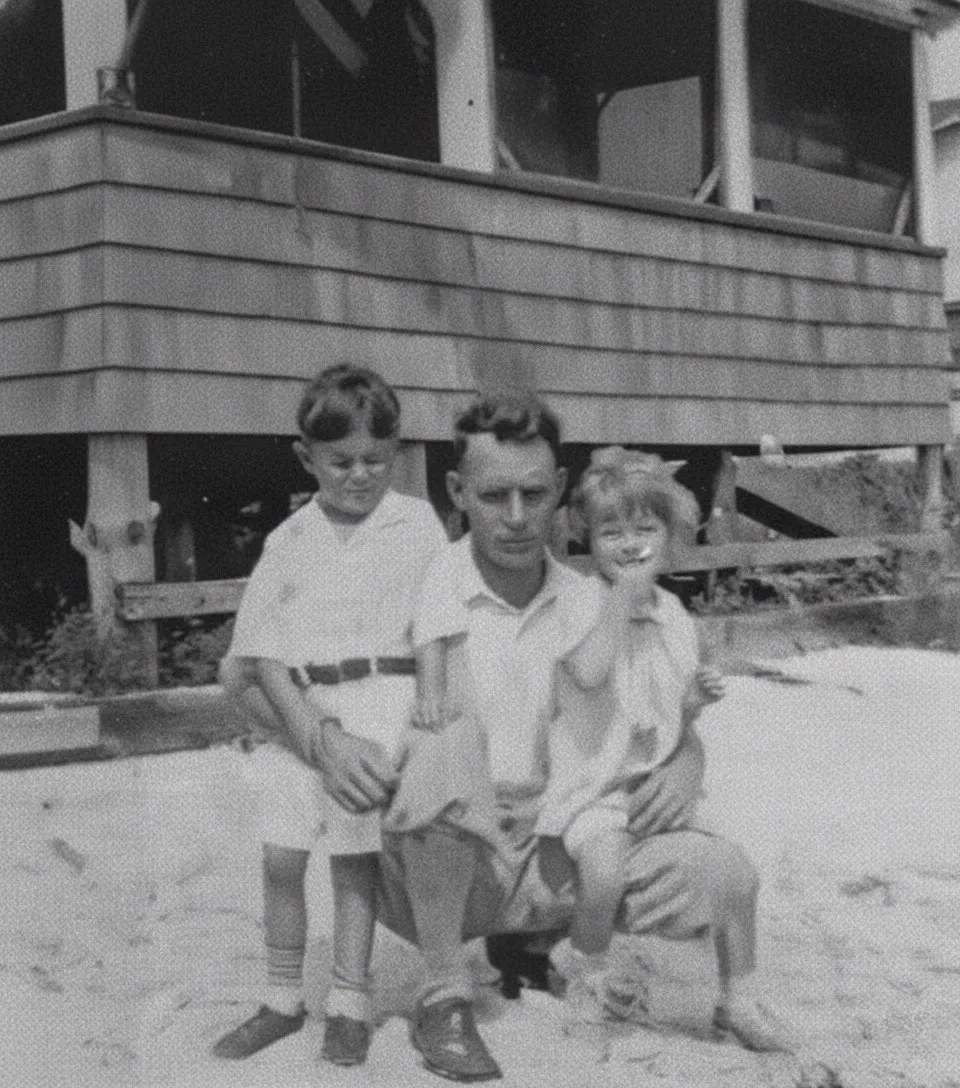
Photographs from the family archive. Fish camps, clam boats, the old fish house and the people of the waterfront.
Warm, funny and unscripted. Bob ends every talk with questions and conversation.
When the Doxsee family moved to Point Lookout, we brought our house with us.
Bob Doxsee · Childhood Summers on Reynolds Channel
Speaking topics
Talks drawn from a life on the water
Each program can be shaped to your audience and your time slot, from a 30-minute luncheon talk to a full evening presentation.
Signature program
Growing Up in a Fishing Family
Bob's own signature program: a boyhood on Meadow Island and Reynolds Channel, pound fishing with Swedish and Norwegian crews, and the switch to sea clams in 1944. Four generations of a Long Island family who lived by the tides.
Illustrated with family photographs and film stills from the Bright Eye fish camp, this is the program Bob travels to present.
Ideal forHistorical societies, libraries, senior centers, community and civic groups, schools
How wartime demand, a Maine canner and a Freeport garage with a garden hose started a new American fishery. Bob takes it from hand shuckers singing 'Sweet Adeline' to frozen chopped clams shipped as far as Hawaii.
Ideal forMaritime museums, food and seafood industry groups, business and Rotary clubs, culinary audiences
Saints in Sou'westers: Lifesavers, the Coast Guard and Station #89
The U.S. Life Saving Service surfmen who rowed into winter breakers, the WWII cutter Escanaba's rescue swimmers, and a local hero who never came home. Courage on the Long Island coast, told by a neighbor of the old station.
Ideal forCoast Guard and veterans organizations, churches, maritime and historical societies
The Lowly Clam Shell vs. the Mighty Atlantic: Saving Point Lookout
Westward-moving inlets, a vanished stretch of town, the Great Rock Sea Wall and the clam-shell reef that saved it. Lessons about coastal erosion and wetlands from someone who saw it happen.
Ideal forEnvironmental and conservation groups, town planners, coastal resilience forums, school science programs
Bob speaks to historical societies, maritime museums, libraries, boating clubs, veterans groups, schools and civic organizations. He brings the warmth of a neighbor and the detail of a lifelong waterman.
Twenty-eight pieces from The Community Outlook, collected in one volume: Rum Runners and lifesavers, Gulf Stream voyages, wartime heroes and the people of Reynolds Channel.